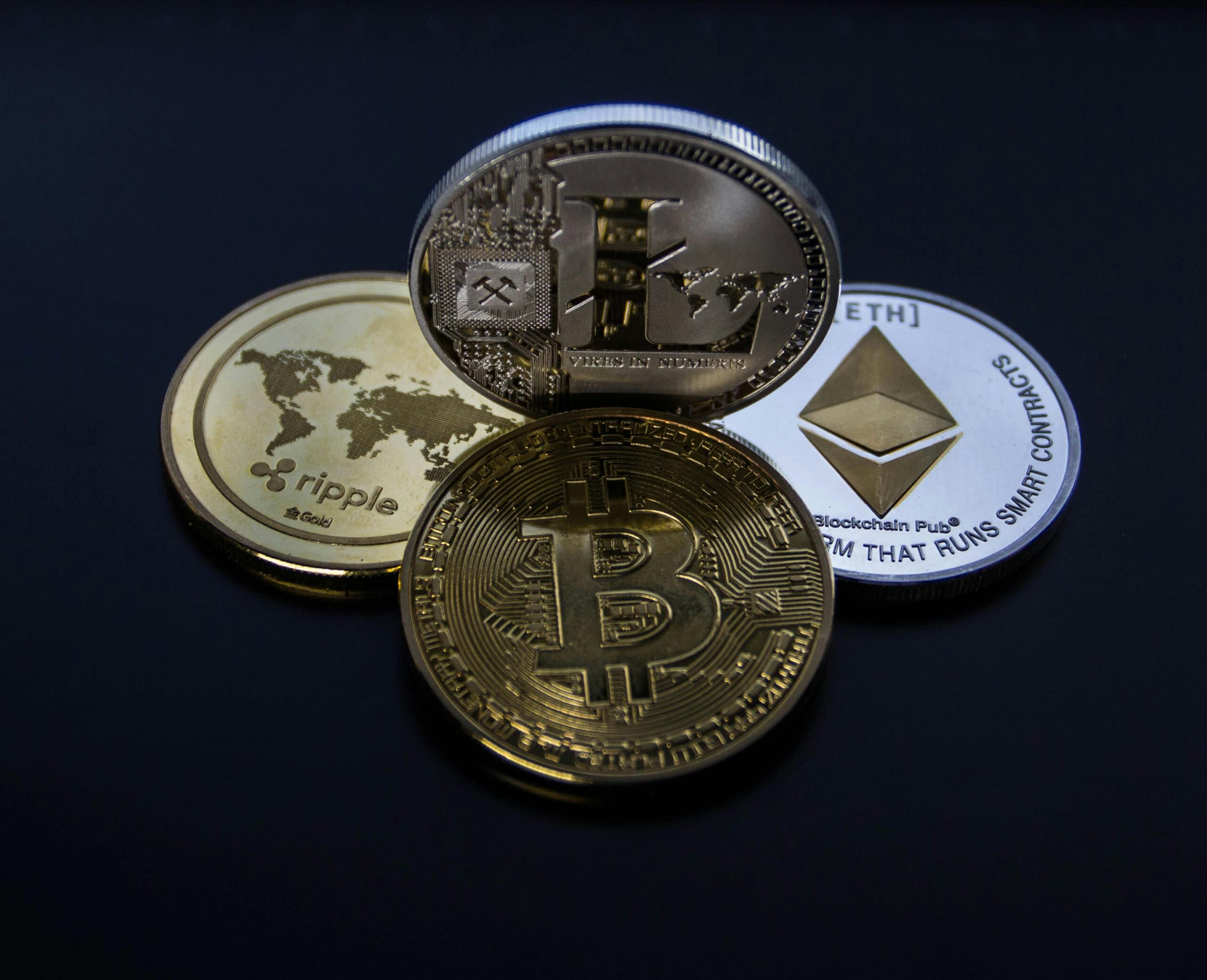
The blockchain revolution has transformed how we think about digital ownership, but with great innovation comes great responsibility. Token security standards are no longer optional—they’re the foundation of trust in decentralized ecosystems.

As digital assets continue to gain mainstream adoption, the stakes have never been higher. From cryptocurrency wallets holding life savings to NFTs representing valuable intellectual property, understanding and implementing robust token security standards is essential for anyone participating in the blockchain economy. This comprehensive guide will equip you with the knowledge to protect your digital assets and navigate the complex landscape of blockchain security with confidence.
🔐 Understanding Token Security Standards in the Blockchain Ecosystem
Token security standards represent a collection of protocols, best practices, and technical specifications designed to protect digital assets from unauthorized access, theft, and exploitation. These standards have evolved significantly since Bitcoin’s inception, adapting to new threats and technological advancements.
The most widely recognized token standards include ERC-20 and ERC-721 on Ethereum, BEP-20 on Binance Smart Chain, and SPL tokens on Solana. Each standard comes with its own security considerations and implementation requirements that developers and users must understand thoroughly.
What makes token security particularly challenging is the irreversible nature of blockchain transactions. Unlike traditional banking systems where fraudulent transactions can be reversed, blockchain transfers are permanent. This immutability, while a core feature of blockchain technology, means that security cannot be an afterthought—it must be built into every layer of interaction with digital assets.
The Evolution of Token Security Protocols
Early blockchain implementations focused primarily on basic cryptographic security. However, as the ecosystem matured and attack vectors became more sophisticated, the community developed comprehensive security frameworks. These frameworks now address everything from smart contract vulnerabilities to social engineering attacks.
Modern token security standards incorporate lessons learned from high-profile hacks and exploits. The DAO hack of 2016, which resulted in the loss of approximately $60 million worth of Ether, fundamentally changed how developers approach smart contract security. Similarly, numerous exchange hacks have highlighted the importance of proper key management and cold storage solutions.
💎 Core Components of Robust Token Security
Mastering token security requires understanding its fundamental building blocks. These components work together to create a comprehensive defense against various attack vectors that threaten digital assets in the blockchain space.
Cryptographic Key Management
Private keys are the cornerstone of blockchain security. These cryptographic credentials prove ownership and authorize transactions. The golden rule is simple yet critical: whoever controls the private keys controls the assets.
Effective key management strategies include:
- Hardware wallet storage for significant holdings, keeping private keys offline and protected from internet-based attacks
- Multi-signature authentication requiring multiple key approvals for transactions, distributing trust and reducing single points of failure
- Hierarchical deterministic (HD) wallets that generate new addresses from a single seed phrase, improving privacy and organization
- Regular backup procedures with secure, geographically distributed storage of recovery phrases
- Time-locked transactions and spending limits for additional security layers
Smart Contract Security Audits
Smart contracts are self-executing programs that manage token operations on blockchain networks. Vulnerabilities in these contracts can lead to catastrophic losses. Professional security audits have become standard practice for any serious blockchain project.
Leading audit firms examine smart contracts for common vulnerabilities including reentrancy attacks, integer overflow/underflow, front-running opportunities, and access control issues. The audit process typically involves both automated analysis tools and manual code review by experienced security researchers.
🛡️ Implementing Token Security Best Practices
Knowledge without implementation provides no protection. Translating security standards into practical action requires a systematic approach that addresses both technical and behavioral aspects of digital asset management.
Secure Wallet Selection and Configuration
Your wallet is your gateway to the blockchain ecosystem. Choosing the right wallet and configuring it properly is perhaps the most important security decision you’ll make. Not all wallets are created equal, and different use cases demand different security levels.
For long-term storage of significant assets, hardware wallets from reputable manufacturers like Ledger or Trezor provide the highest security level. These devices keep private keys isolated from internet-connected devices, making remote attacks virtually impossible. For everyday transactions, mobile or desktop wallets offer convenience but require additional security measures including strong passwords, biometric authentication, and regular software updates.
Transaction Verification Protocols
Every transaction represents a potential security risk. Developing rigorous verification habits can prevent costly mistakes and protect against various attack vectors including phishing and address poisoning.
Before confirming any transaction, verify the recipient address character by character, especially the first and last few characters. Attackers often create addresses that look similar to legitimate ones. Check transaction amounts and gas fees carefully, as malicious smart contracts can request approval for unlimited token spending. Use blockchain explorers to verify contract addresses and review recent transaction history before interacting with new protocols.
🚨 Common Security Vulnerabilities and How to Avoid Them
Understanding common attack vectors is essential for developing effective defense strategies. The blockchain space has seen numerous security incidents, each providing valuable lessons for the community.
Phishing and Social Engineering Attacks
Technical security measures mean nothing if attackers can manipulate users into voluntarily surrendering their credentials. Phishing attacks targeting cryptocurrency users have become increasingly sophisticated, often impersonating legitimate projects, exchanges, or support personnel.
Common phishing tactics include fake wallet update notifications, fraudulent customer support contacts, counterfeit NFT minting websites, and compromised social media accounts promoting fake token airdrops. The defense against these attacks relies primarily on user awareness and skepticism. Always verify URLs carefully, never share your seed phrase or private keys with anyone, and remember that legitimate support teams will never ask for this information.
Smart Contract Exploitation
Smart contract vulnerabilities have resulted in hundreds of millions of dollars in losses. The most infamous example is reentrancy attacks, where malicious contracts repeatedly call functions before previous executions complete, draining funds in the process.
Other common vulnerabilities include unchecked external calls, improper access controls allowing unauthorized users to execute privileged functions, timestamp dependence where contracts rely on block timestamps that miners can manipulate, and front-running opportunities where attackers observe pending transactions and submit their own with higher gas fees to execute first.
📊 Token Security Standards Across Different Blockchains
Different blockchain networks implement security in varying ways. Understanding these differences is crucial for anyone operating across multiple chains in today’s multi-chain ecosystem.
Ethereum and EVM-Compatible Chains
Ethereum pioneered programmable blockchain technology and established many security standards that other networks have adopted. ERC-20 tokens must implement specific functions including transfer, approve, and allowance. Security considerations include proper implementation of these standard functions and careful handling of approval mechanisms that can be exploited if not implemented correctly.
ERC-721 and ERC-1155 standards for non-fungible tokens introduce additional security considerations around metadata storage, royalty enforcement, and ownership verification. Recent improvements like ERC-4626 for tokenized vaults and ERC-2981 for NFT royalties demonstrate the ongoing evolution of token security standards.
Alternative Blockchain Architectures
Blockchains like Solana, Cardano, and Polkadot implement different security models based on their unique architectural decisions. Solana’s high-performance design introduces specific security considerations around transaction ordering and state management. Cardano’s UTXO-based model provides certain security advantages over account-based systems but requires different development approaches.
Understanding these architectural differences is essential for developers building cross-chain applications and users moving assets between different blockchain ecosystems using bridges and cross-chain protocols.
🔬 Advanced Security Measures for Institutional Assets
Organizations managing significant digital asset portfolios require enterprise-grade security solutions that go beyond individual user protections. Institutional security standards address unique challenges including regulatory compliance, internal controls, and disaster recovery.
Multi-Signature and Multi-Party Computation
Multi-signature wallets require multiple parties to approve transactions before execution, distributing trust and eliminating single points of failure. A typical configuration might require three out of five designated signers to approve any transaction, preventing any individual from unilaterally moving funds.
Multi-party computation (MPC) technology represents a more advanced approach, distributing key material across multiple parties such that no single party ever possesses the complete private key. This provides security benefits similar to multi-signature arrangements while maintaining compatibility with standard blockchain addresses and reducing transaction costs.
Custody Solutions and Insurance
Institutional custody solutions provide professional asset management with additional security layers including cold storage systems, comprehensive insurance policies, regulatory compliance frameworks, and 24/7 security monitoring. Qualified custodians undergo regular security audits and maintain rigorous operational security procedures.
Insurance coverage for digital assets has evolved significantly, with specialized providers offering policies covering various risks including theft, loss, and smart contract failures. Understanding policy terms and exclusions is essential, as coverage often comes with specific security requirements that must be maintained.
🌐 The Future of Token Security Standards
Token security continues to evolve rapidly as new technologies emerge and attackers develop increasingly sophisticated techniques. Staying ahead requires understanding upcoming trends and preparing for future challenges.
Quantum Computing Resistance
Quantum computers pose a theoretical threat to current cryptographic systems, including the elliptic curve cryptography securing most blockchain networks. While practical quantum attacks remain years away, the blockchain community is already developing quantum-resistant algorithms.
Post-quantum cryptography standards are being developed and tested, ensuring blockchain networks can transition before quantum computers become a practical threat. Projects exploring quantum-resistant signatures include Ethereum’s research into STARK-based systems and dedicated quantum-resistant blockchain initiatives.
Zero-Knowledge Proofs and Privacy Enhancements
Zero-knowledge proof technology enables transaction validation without revealing sensitive information, dramatically improving privacy while maintaining security. ZK-rollups and privacy-focused protocols are becoming increasingly mainstream, offering enhanced security properties alongside scalability benefits.
These technologies allow users to prove ownership or authorization without exposing private keys, transaction amounts, or other sensitive data. As privacy regulations become more stringent globally, zero-knowledge technologies will likely become standard components of token security implementations.
💪 Building a Personal Security Framework
Ultimately, token security is personal responsibility. Building a comprehensive security framework requires combining technical measures with disciplined operational practices tailored to your specific needs and risk profile.
Security Hygiene and Regular Audits
Develop and maintain security checklists covering wallet access, password management, two-factor authentication, software updates, and permission reviews. Regularly audit your security posture, reviewing which contracts have token approvals, checking for unauthorized access attempts, and updating recovery procedures.
Consider your security framework a living system that evolves with the threat landscape and your changing needs. Schedule quarterly security reviews to identify and address potential vulnerabilities before they can be exploited.
Education and Community Engagement
The blockchain security community actively shares knowledge about emerging threats and defense strategies. Engaging with this community through forums, social media, and security-focused publications keeps you informed about the latest developments.
Follow reputable security researchers, participate in educational programs, and learn from past incidents. Understanding how others lost their assets helps you avoid similar mistakes. Remember that in blockchain, every security failure is a learning opportunity for the entire community.

🎯 Taking Action: Your Token Security Roadmap
Understanding token security standards is just the beginning. Implementation separates those who merely know about security from those who are actually secure. Start with immediate actions including moving significant holdings to hardware wallets, enabling all available two-factor authentication, reviewing and revoking unnecessary token approvals, and creating secure backups of recovery phrases.
Medium-term actions should include completing comprehensive security audits of your digital asset management practices, implementing multi-signature solutions for significant holdings, and establishing clear security protocols for different transaction types. Long-term strategies involve staying current with evolving security standards, regularly reassessing your security framework, and contributing to community security knowledge.
The blockchain era offers unprecedented opportunities for financial sovereignty and digital ownership, but these benefits come with serious security responsibilities. Token security standards provide the framework for protecting your digital assets, but their effectiveness depends entirely on consistent, informed implementation. By mastering these standards and making security a fundamental part of your blockchain interactions, you position yourself not just to participate in the digital asset revolution, but to thrive in it with confidence and peace of mind.
Your digital assets represent more than just financial value—they represent your stake in a transformative technology that’s reshaping how we think about ownership, trust, and value exchange. Protecting them with robust security practices isn’t just prudent—it’s essential for realizing the full potential of blockchain technology while staying ahead in this rapidly evolving digital landscape.