
The digital revolution has transformed how we manage money, offering unprecedented convenience through mobile apps and online platforms. Yet with this convenience comes new risks that demand our attention and proactive protection strategies.

Today’s banking landscape operates in a complex digital ecosystem where transactions happen in milliseconds, and cybercriminals work tirelessly to exploit vulnerabilities. Understanding how to safeguard your finances isn’t just recommended—it’s essential for anyone participating in modern digital banking. As we navigate this interconnected financial world, knowing the risks and implementing robust security measures can mean the difference between financial peace of mind and devastating loss.
🔐 Understanding the Current Threat Landscape in Digital Banking
Cybercriminals have evolved their tactics significantly, targeting digital banking users through increasingly sophisticated methods. Phishing attacks have become remarkably convincing, with fraudsters creating nearly identical replicas of legitimate banking websites and emails. These attacks prey on human psychology, creating urgency and fear to bypass our natural skepticism.
Malware specifically designed to target banking applications has proliferated across platforms. These malicious programs can intercept your login credentials, monitor your transactions, and even manipulate what you see on your screen while conducting completely different transactions in the background. Mobile banking trojans have become particularly prevalent, hiding within seemingly innocent applications.
Man-in-the-middle attacks represent another critical threat, where cybercriminals position themselves between you and your bank’s servers. This allows them to intercept communications, steal sensitive information, and potentially alter transaction details without your knowledge. Public Wi-Fi networks are particularly vulnerable to these attacks, making them dangerous environments for conducting financial transactions.
Essential Password Security Practices for Banking Applications
Your password serves as the first line of defense against unauthorized access to your financial accounts. Creating strong, unique passwords for each banking application is non-negotiable in today’s threat environment. A robust password should contain at least 12 characters, combining uppercase and lowercase letters, numbers, and special symbols in unpredictable patterns.
Avoid common password mistakes that cybercriminals exploit regularly. Never use personal information like birthdays, names, or addresses that can be easily discovered through social media. Dictionary words, even with number substitutions, provide minimal protection against modern cracking tools that can test millions of combinations per second.
Password managers offer an elegant solution to the challenge of maintaining multiple complex passwords. These applications generate and securely store unique passwords for each account, requiring you to remember only one master password. Leading password managers use military-grade encryption and offer additional features like security audits and breach monitoring.
Implementing Two-Factor Authentication Effectively
Two-factor authentication (2FA) adds a critical additional layer of security beyond passwords. Even if cybercriminals obtain your password, they cannot access your account without the second authentication factor. This significantly reduces the likelihood of unauthorized access to your banking applications and financial information.
Different 2FA methods offer varying levels of security. SMS-based authentication provides basic protection but remains vulnerable to SIM-swapping attacks. Authentication apps that generate time-based codes offer superior security and don’t rely on cellular networks. Hardware security keys provide the highest level of protection, creating a physical requirement for account access.
Configure 2FA for all banking applications and related services, including email accounts that could be used for password recovery. This comprehensive approach ensures that even if one security layer is compromised, additional barriers prevent unauthorized access to your financial resources.
📱 Securing Your Mobile Banking Experience
Mobile devices have become primary tools for managing finances, making their security paramount. Start by ensuring your smartphone operating system stays current with the latest security patches. Manufacturers regularly release updates addressing newly discovered vulnerabilities that cybercriminals actively exploit.
Download banking applications exclusively from official sources like the Google Play Store or Apple App Store. These platforms implement security screening processes that significantly reduce the risk of downloading compromised applications. Be cautious of third-party app stores that may host modified versions of legitimate apps containing malware.
Review application permissions carefully before installation and periodically afterward. Banking apps require certain permissions to function properly, but excessive permission requests should raise red flags. An app requesting access to your contacts, microphone, or camera without clear justification may have ulterior motives beyond providing banking services.
Device Protection Measures You Cannot Ignore
Screen locks represent your first physical defense against unauthorized device access. Use biometric authentication methods like fingerprint or facial recognition combined with a strong PIN or password. Configure your device to lock automatically after brief periods of inactivity, preventing opportunistic access if you leave your phone unattended.
Install reputable mobile security software that provides real-time protection against malware, phishing attempts, and other threats. These applications offer features like safe browsing, app scanning, and Wi-Fi security monitoring. While no security solution is perfect, quality mobile security software significantly reduces your vulnerability to common attacks.
Enable device tracking and remote wiping capabilities through built-in features like Find My iPhone or Android Device Manager. If your device is lost or stolen, these tools allow you to locate it, lock it remotely, or completely erase all data to prevent unauthorized access to your banking applications and stored information.
Network Security: Protecting Your Financial Transactions
The networks you use for banking transactions significantly impact your security posture. Your home Wi-Fi network should be secured with WPA3 encryption, or at minimum WPA2, protecting your data from nearby eavesdroppers. Change default router passwords immediately after setup, as these are widely known and easily exploited.
Public Wi-Fi networks present substantial risks for financial activities. Cybercriminals frequently target these networks, intercepting unencrypted data transmitted between devices and access points. Coffee shops, airports, and hotels are particular hotspots for this activity. If you must access banking services on public networks, use a virtual private network (VPN) to encrypt your connection.
VPNs create encrypted tunnels for your internet traffic, making it virtually impossible for others to intercept or read your data. Choose reputable VPN providers with strong privacy policies, preferably those that don’t log user activity. Free VPN services often monetize your data, potentially creating more security risks than they solve.
🛡️ Recognizing and Avoiding Phishing Attacks
Phishing remains one of the most effective attack vectors against banking customers. These deceptive messages impersonate banks, government agencies, or trusted companies to trick recipients into revealing sensitive information. Understanding how to identify phishing attempts is crucial for maintaining financial security in the digital age.
Examine sender information carefully. Legitimate banks communicate through official email addresses and domains, never from generic email services. However, sophisticated phishing attacks may spoof legitimate addresses, making additional verification necessary. Check for subtle misspellings in domain names that mimic legitimate organizations.
Legitimate financial institutions never request sensitive information like passwords, PINs, or full account numbers via email or text message. Any communication requesting this information should trigger immediate suspicion. Banks already have this information and have no legitimate reason to request it through insecure channels.
Verification Techniques Before Taking Action
When receiving unexpected communications requesting action on your accounts, independently verify their legitimacy before responding. Don’t use contact information provided in suspicious messages. Instead, visit your bank’s official website directly or call the customer service number from your banking card or official statements.
Hover over links before clicking to reveal their actual destinations. Phishing emails often display legitimate-looking text while linking to malicious websites. Be particularly suspicious of shortened URLs that obscure the true destination. When in doubt, navigate to your bank’s website manually rather than clicking links in messages.
Report suspected phishing attempts to your bank and relevant authorities. Many banks have dedicated email addresses for reporting suspicious communications. Forwarding these messages helps financial institutions identify active phishing campaigns and warn other customers. The Anti-Phishing Working Group also accepts reports that contribute to broader anti-fraud efforts.
Monitoring Your Accounts for Suspicious Activity
Regular account monitoring serves as an early warning system for unauthorized activity. Review your banking transactions at least weekly, looking for unfamiliar charges, incorrect amounts, or transactions at unusual times. The faster you detect fraudulent activity, the more effectively you can minimize damage and recover funds.
Enable transaction alerts through your banking application. These notifications can inform you immediately when transactions exceed certain amounts, when international transactions occur, or when any account activity happens. Real-time alerts allow you to quickly identify and respond to potentially fraudulent activity before it escalates.
Check your credit reports regularly for accounts you didn’t open or inquiries you didn’t authorize. These may indicate identity theft targeting your financial information. Many jurisdictions provide free annual credit reports from major bureaus. Consider using credit monitoring services that alert you to changes in your credit profile.
Taking Action When You Detect Fraud
If you identify unauthorized transactions, contact your bank immediately through official channels. Most financial institutions offer 24/7 fraud reporting services. Time is critical—prompt reporting often determines whether you’ll be liable for fraudulent charges or whether the bank will absorb the loss.
Document everything related to the fraudulent activity, including transaction details, dates, amounts, and all communications with your bank. This documentation may prove essential for resolving disputes and preventing future liability. Take screenshots of suspicious transactions and save all correspondence.
Follow your bank’s fraud resolution process carefully, meeting all deadlines for submitting documentation or filing formal disputes. Different account types have different protections and timeframes. Credit cards typically offer stronger consumer protections than debit cards, often limiting your liability to minimal amounts for promptly reported fraud.
💳 Securing Digital Payment Methods and Wallets
Digital wallets and payment applications offer convenience but require specific security considerations. Services like Apple Pay, Google Pay, and Samsung Pay use tokenization, replacing your actual card numbers with unique digital identifiers for each transaction. This provides inherent security advantages over traditional card payments.
Secure your digital payment accounts with the strongest authentication methods available. Enable biometric authentication and transaction notifications. Review your payment history regularly, just as you would with traditional banking accounts. Many people overlook payment app security, making them attractive targets for cybercriminals.
Link digital payment services to credit cards rather than debit cards when possible. Credit cards offer superior fraud protection and don’t provide direct access to your bank accounts. If a digital wallet is compromised, fraudulent charges on credit cards are easier to dispute and resolve without immediately impacting your available cash.
Social Engineering: The Human Element of Cybersecurity
Social engineering attacks exploit human psychology rather than technical vulnerabilities. Cybercriminals use manipulation tactics to trick people into divulging confidential information or performing actions that compromise security. These attacks can be remarkably effective, bypassing even sophisticated technical security measures.
Be skeptical of unsolicited contacts claiming to be from your bank, especially those creating urgency or fear. Phrases like “immediate action required” or “account will be suspended” are common social engineering tactics designed to bypass your rational decision-making. Legitimate banks rarely demand immediate action for security issues.
Limit the personal information you share on social media platforms. Cybercriminals mine these platforms for information used in targeted attacks. Details about your life, family, workplace, and routines can be weaponized to create convincing phishing messages or answer security questions protecting your accounts.
Building a Security-Conscious Mindset
Develop healthy skepticism toward unexpected communications requesting action on your accounts. Taking a moment to verify legitimacy is always preferable to hastily responding to potentially fraudulent requests. Trust your instincts—if something feels wrong, it probably is.
Educate family members who may have access to shared accounts or devices. Cybersecurity is only as strong as the weakest link in the chain. Elderly relatives and children may be particularly vulnerable to social engineering tactics, making family-wide security awareness essential.
Stay informed about current scam trends and tactics. Cybercriminals constantly evolve their methods, and yesterday’s defenses may not protect against tomorrow’s attacks. Follow security blogs, subscribe to bank security alerts, and participate in online communities discussing cybersecurity topics relevant to digital banking.
🔄 Creating Comprehensive Backup and Recovery Plans
Disasters happen despite our best security efforts. Having recovery plans in place minimizes damage and speeds restoration of access to your financial accounts. Maintain secure records of account numbers, customer service contacts, and emergency procedures separate from your devices.
Store critical banking information in secure physical locations like home safes or bank safety deposit boxes. Include account numbers, customer service phone numbers, and instructions for accessing accounts if your devices are lost or stolen. Update this information annually or when accounts change.
Consider establishing relationship banking where multiple family members or trusted individuals have appropriate access levels to accounts. This provides redundancy if your primary access methods are compromised. Ensure all parties understand security protocols and their responsibilities for protecting shared account access.
The Future of Banking Security: Emerging Technologies and Trends
Banking security continues evolving with technological advancement. Biometric authentication methods are becoming more sophisticated, using behavioral patterns, voice recognition, and even heartbeat signatures. These methods promise stronger security with greater convenience than traditional authentication approaches.
Artificial intelligence and machine learning increasingly power fraud detection systems. These technologies identify suspicious patterns and anomalies that human analysts might miss. As these systems mature, they’ll provide more proactive protection against emerging threats while reducing false positives that inconvenience legitimate users.
Blockchain technology may revolutionize banking security by creating immutable transaction records and decentralizing authentication processes. While still emerging in mainstream banking, blockchain principles offer potential solutions to many current security challenges, particularly around identity verification and transaction integrity.
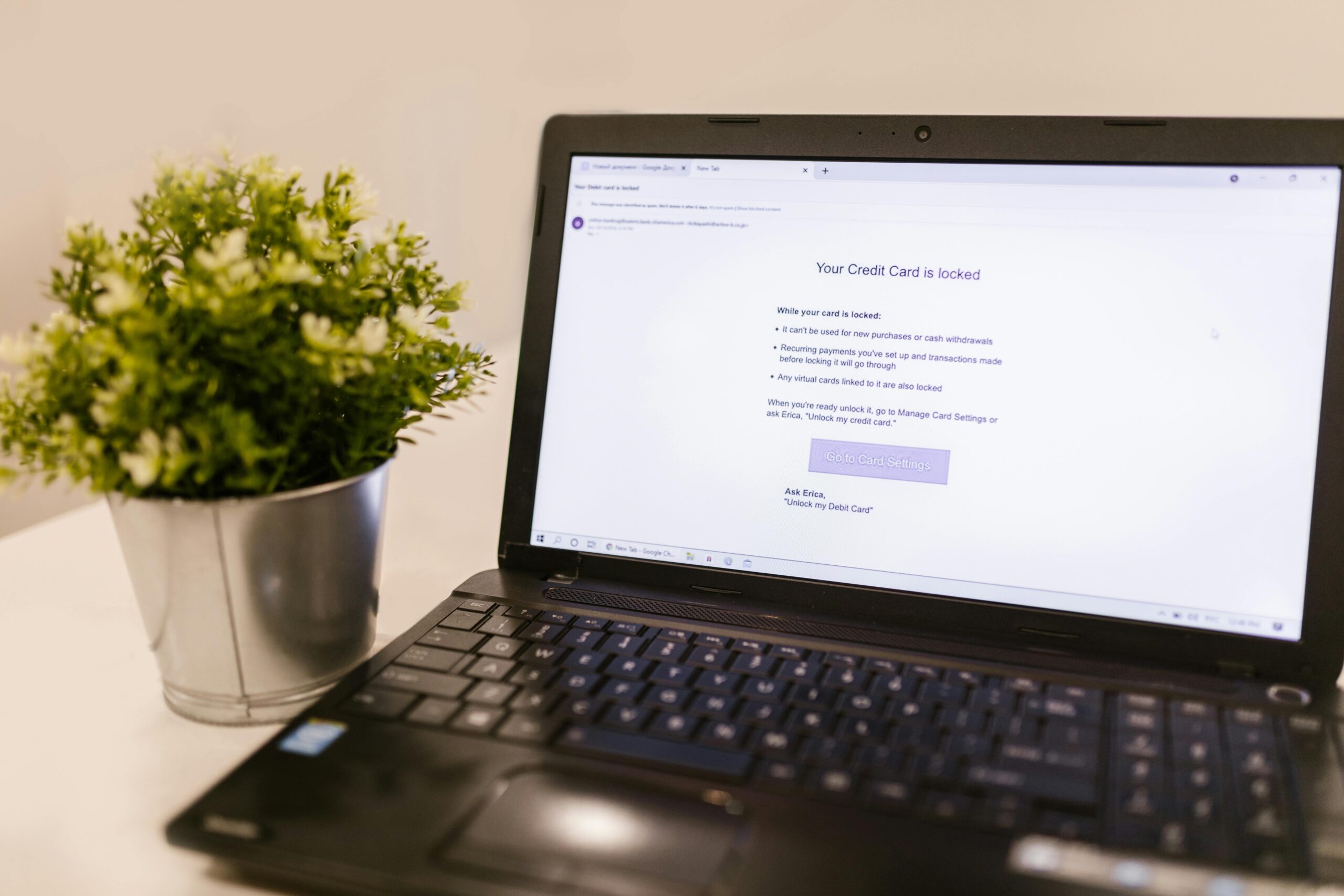
Taking Control of Your Financial Security Today
Protecting your finances in the digital banking era requires ongoing vigilance and proactive security measures. The threats are real and constantly evolving, but implementing the practices outlined in this guide significantly reduces your vulnerability. Start with fundamentals: strong passwords, two-factor authentication, and regular account monitoring.
Remember that cybersecurity isn’t a one-time task but an ongoing process. Regularly review and update your security practices as technologies and threats evolve. Stay informed, remain skeptical of suspicious communications, and never compromise security for convenience when dealing with financial matters.
Your financial security ultimately rests in your hands. Banks provide tools and protection, but your awareness and actions determine how effectively these safeguards function. By taking responsibility for your digital banking security, you protect not just your finances but your financial future and peace of mind in an increasingly connected world.