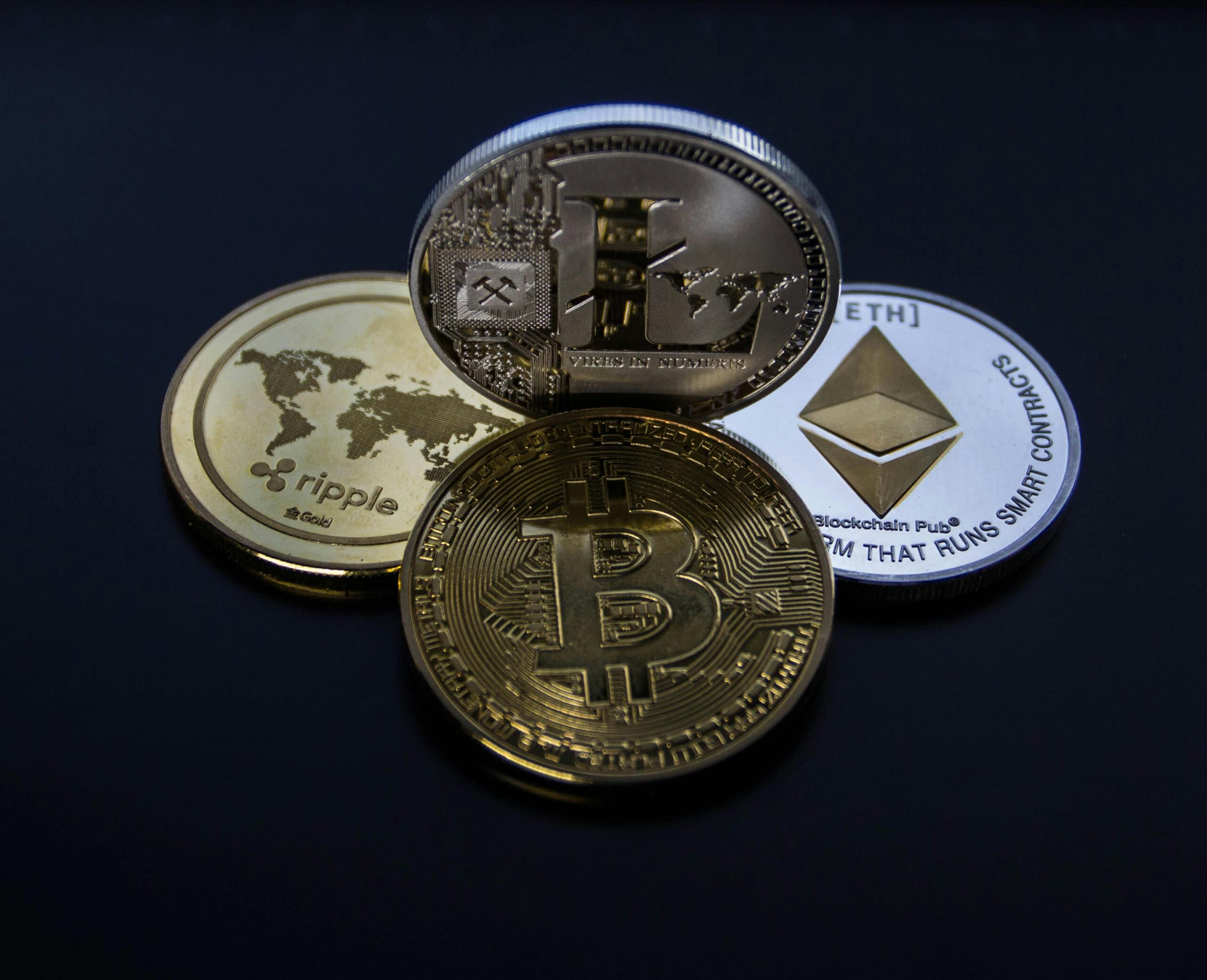
The digital economy is reshaping how we perceive ownership, value, and investment opportunities. Asset tokenization represents a paradigm shift that transforms traditional illiquid assets into digital tokens, creating unprecedented access to global markets while fundamentally changing the investment landscape.

As blockchain technology matures and regulatory frameworks evolve, innovative tokenization platforms are emerging to bridge the gap between traditional finance and decentralized systems. This transformation promises to democratize wealth creation, enhance liquidity, and establish more transparent investment mechanisms for individuals and institutions alike.
🔐 Understanding Asset Tokenization in the Modern Financial Ecosystem
Asset tokenization refers to the process of converting rights to an asset into a digital token on a blockchain network. These tokens represent fractional or complete ownership of underlying assets, which can range from real estate and fine art to commodities, intellectual property, and even revenue streams from businesses.
The fundamental appeal of tokenization lies in its ability to fractionalize ownership. A commercial property worth millions of dollars can be divided into thousands of digital tokens, each representing a small percentage of ownership. This fractionalization lowers the barrier to entry for investors who previously couldn’t access high-value asset classes.
Beyond fractionalization, tokenization introduces programmability through smart contracts. These self-executing agreements automatically enforce terms, distribute dividends, manage voting rights, and handle compliance requirements without intermediaries. This automation reduces costs, minimizes human error, and accelerates transaction settlement times from days to minutes.
The Technical Architecture Behind Tokenization Frameworks
Modern tokenization frameworks are built on sophisticated blockchain infrastructure that prioritizes security, scalability, and regulatory compliance. The technical foundation typically includes several interconnected layers working in harmony to deliver seamless digital transformation.
Blockchain Protocol Selection
The choice of underlying blockchain protocol significantly impacts tokenization outcomes. Ethereum remains dominant due to its mature smart contract ecosystem and extensive developer community. However, alternative networks like Polygon, Avalanche, and Solana offer advantages in transaction speed and cost efficiency that make them attractive for specific use cases.
Enterprise-focused blockchains such as Hyperledger Fabric and Corda provide permissioned environments where organizations maintain greater control over network participants while still leveraging distributed ledger benefits. These hybrid approaches appeal to traditional financial institutions transitioning toward tokenization.
Smart Contract Development Standards
Standardized token protocols ensure interoperability across platforms and applications. The ERC-20 standard revolutionized fungible token creation, while ERC-721 and ERC-1155 enabled non-fungible and multi-token standards respectively. For security tokens specifically, ERC-3643 and similar standards incorporate regulatory compliance directly into the token logic.
These standards embed Know Your Customer (KYC) verification, transfer restrictions based on investor accreditation status, and automated regulatory reporting. Smart contracts can restrict token transfers to verified wallet addresses, ensuring only qualified investors can purchase and trade certain securities.
💼 Transforming Traditional Asset Classes Through Tokenization
Different asset categories present unique opportunities and challenges when transitioning to tokenized formats. Understanding these nuances is essential for successful implementation across various investment sectors.
Real Estate Tokenization Revolution
Real estate represents one of the most promising candidates for tokenization due to its substantial global market value exceeding $280 trillion and historical illiquidity challenges. Tokenizing property assets enables fractional ownership of commercial buildings, residential developments, and even individual homes.
Investors can diversify portfolios across multiple properties and geographic locations with minimal capital requirements. Property owners gain access to liquidity without traditional selling processes, while rental income distribution becomes automated through smart contracts that proportionally allocate revenue to token holders.
Several platforms have successfully tokenized landmark properties, demonstrating the model’s viability. These projects typically structure tokenized real estate as security offerings, complying with securities regulations while providing investors with transparent ownership records and simplified transfer processes.
Fine Art and Collectibles Accessibility
The art market, traditionally exclusive and opaque, benefits tremendously from tokenization frameworks. High-value artworks by renowned artists can be fractionalized, allowing art enthusiasts to invest in masterpieces previously accessible only to ultra-wealthy collectors and institutions.
Blockchain-based provenance tracking creates immutable records of artwork history, authenticity, and ownership chains. This transparency combats fraud, forgery, and disputed ownership while potentially increasing overall market confidence and valuation.
Beyond physical art, digital art tokenization through non-fungible tokens (NFTs) has created entirely new markets where creators directly monetize their work and receive automatic royalties on secondary sales through programmable smart contract logic.
Equity and Debt Instrument Tokenization
Traditional securities including company stocks, bonds, and derivatives are being reimagined through tokenization frameworks that promise 24/7 trading, instant settlement, and reduced intermediary costs. This transformation challenges the fundamental structure of capital markets established over centuries.
Tokenized equity enables companies to raise capital more efficiently through security token offerings (STOs) that combine blockchain efficiency with regulatory compliance. Investors benefit from enhanced liquidity, transparent cap tables, and automated corporate actions like dividend distributions and voting rights execution.
Debt instruments tokenization similarly streamlines bond issuance, interest payments, and maturity redemptions. Smart contracts automatically calculate and distribute interest payments based on predefined schedules, eliminating manual processing and reducing operational expenses for issuers and investors alike.
🌐 Regulatory Landscapes Shaping Tokenization Adoption
Regulatory clarity remains paramount for mainstream tokenization adoption. Jurisdictions worldwide are developing frameworks that balance innovation encouragement with investor protection, creating a patchwork of regulations that tokenization platforms must navigate carefully.
The United States Securities and Exchange Commission (SEC) applies the Howey Test to determine whether tokenized assets constitute securities, subjecting them to comprehensive registration and disclosure requirements. Projects must carefully structure offerings to comply with exemptions like Regulation D, Regulation A+, or Regulation Crowdfunding.
European Union’s Markets in Crypto-Assets (MiCA) regulation establishes harmonized rules across member states, providing greater certainty for tokenization projects operating within Europe. This regulatory clarity is accelerating institutional adoption as compliance pathways become more defined and predictable.
Singapore, Switzerland, and the United Arab Emirates have positioned themselves as tokenization-friendly jurisdictions with clear regulatory frameworks and supportive governmental attitudes. These financial hubs are attracting significant tokenization innovation and capital as projects seek regulatory certainty combined with sophisticated financial infrastructure.
Infrastructure Components Enabling Seamless Digital Transformation
Successful tokenization requires robust supporting infrastructure that addresses technical, operational, and compliance requirements. The ecosystem extends far beyond blockchain technology to encompass identity verification, custody solutions, and integration with traditional financial systems.
Digital Identity and KYC Solutions
Compliant tokenization platforms implement sophisticated identity verification systems that authenticate investor credentials while preserving privacy where appropriate. Decentralized identity solutions allow users to control personal data while proving accreditation status, residency, and other regulatory requirements.
These systems create reusable digital identities that streamline onboarding across multiple platforms, reducing friction for investors participating in various tokenized offerings. Once verified, investors can quickly access new opportunities without repeatedly submitting documentation.
Custody and Wallet Infrastructure
Institutional-grade custody solutions address security concerns that prevent traditional financial players from fully embracing tokenized assets. These services provide insurance, multi-signature security, cold storage options, and regulatory compliance that meets fiduciary standards required by pension funds, endowments, and asset managers.
User-friendly wallet interfaces lower technical barriers for retail investors unfamiliar with blockchain technology. Modern wallets abstract complexity, presenting intuitive interfaces that resemble traditional banking applications while maintaining the security and autonomy of self-custody solutions when desired.
Oracle Networks and Real-World Data Integration
Smart contracts require reliable external data to function effectively, particularly for tokenized assets whose value depends on real-world events. Oracle networks provide verified information about asset valuations, market prices, interest rates, and other variables that trigger contract execution.
Decentralized oracle solutions like Chainlink aggregate data from multiple sources to prevent manipulation and ensure accuracy. This infrastructure is essential for complex tokenized instruments whose terms reference external benchmarks or performance metrics.
⚡ Economic Benefits Driving Tokenization Momentum
The economic advantages of asset tokenization extend throughout the investment lifecycle, creating value for issuers, investors, and intermediaries who adapt to the evolving landscape. These benefits are compelling organizations across industries to explore tokenization strategies.
Liquidity Enhancement and Market Efficiency
Tokenization fundamentally improves liquidity for traditionally illiquid assets. Secondary markets for tokenized assets operate continuously, allowing investors to exit positions without waiting for lengthy traditional processes. This liquidity commands premium valuations as investors value flexibility and rapid capital redeployment capabilities.
Fractional ownership expands potential buyer pools significantly, increasing market depth and potentially stabilizing prices through broader participation. Assets that previously attracted dozens of potential buyers now access thousands or millions of fractional investors worldwide.
Cost Reduction Through Disintermediation
Traditional asset transactions involve numerous intermediaries including brokers, lawyers, banks, clearinghouses, and registrars, each extracting fees and adding processing time. Tokenization automates many functions through smart contracts, dramatically reducing costs and settlement times.
Issuers can access capital markets more affordably, particularly beneficial for small and medium enterprises historically excluded from public markets due to prohibitive listing costs. The democratization of capital raising fosters innovation and economic growth across broader business segments.
Transparency and Reduced Information Asymmetry
Blockchain’s transparent ledger reduces information asymmetry between issuers and investors. All participants can verify ownership records, transaction histories, and asset-related data, building trust and potentially reducing risk premiums demanded by investors.
Automated reporting through smart contracts ensures consistent, timely disclosure of financial performance, asset valuations, and corporate actions. This transparency enhances market efficiency as information propagates simultaneously to all participants rather than privileging connected insiders.
🚀 Future Innovations Expanding Tokenization Possibilities
The tokenization landscape continues evolving rapidly as technological advances and creative applications push boundaries beyond current implementations. Several emerging trends promise to expand tokenization’s impact across additional domains and use cases.
Interoperability and Cross-Chain Solutions
Current blockchain fragmentation limits tokenized asset utility as tokens on one network cannot easily interact with different blockchain ecosystems. Cross-chain bridges and interoperability protocols are developing to enable seamless asset transfers and interactions across multiple networks.
These solutions will allow investors to manage diverse tokenized portfolios from unified interfaces regardless of underlying blockchain infrastructure. Increased interoperability enhances liquidity as assets access broader markets and trading venues across the decentralized finance ecosystem.
Integration with Decentralized Finance Protocols
Tokenized assets increasingly integrate with DeFi protocols, unlocking additional utility beyond simple ownership representation. Token holders can collateralize positions to access loans, provide liquidity to automated market makers, and earn yields through various strategies previously unavailable for traditional assets.
This composability creates powerful network effects where tokenized assets become building blocks in sophisticated financial strategies. Real estate tokens might generate rental income while simultaneously serving as collateral for loans used to purchase additional tokenized assets, multiplying capital efficiency.
Artificial Intelligence and Automated Asset Management
AI-powered algorithms analyzing blockchain data can provide sophisticated insights into tokenized asset performance, optimal portfolio construction, and risk management strategies. Machine learning models identify patterns and opportunities across vast tokenized asset universes that human analysts cannot process efficiently.
Robo-advisors specifically designed for tokenized portfolios will democratize professional asset management, offering personalized strategies based on individual risk tolerance, investment horizons, and financial goals at fraction of traditional advisory costs.
Implementation Strategies for Organizations Pursuing Tokenization
Organizations considering tokenization initiatives should approach implementation strategically, addressing technical, legal, and operational dimensions comprehensively. Successful projects typically follow structured methodologies that minimize risks while maximizing adoption potential.
Begin with thorough regulatory analysis specific to your jurisdiction and asset class. Engage experienced securities counsel early to structure offerings compliant with applicable regulations. This foundation prevents costly mistakes and potential enforcement actions that could derail projects.
Select technology partners with proven track records in tokenization implementations. Evaluate blockchain protocols based on your specific requirements for transaction speed, cost, security, and regulatory features. Consider whether public, private, or hybrid blockchain architectures best suit your use case.
Develop comprehensive investor education programs explaining tokenization mechanics, benefits, and risks. Many potential participants remain unfamiliar with blockchain technology and digital assets, requiring clear communication to build confidence and drive adoption.
Implement robust cybersecurity measures protecting private keys, smart contracts, and user data. Security breaches severely damage reputation and investor trust, potentially ending projects regardless of their fundamental merits. Conduct regular security audits and penetration testing.
🎯 Overcoming Barriers to Mainstream Adoption
Despite compelling advantages, asset tokenization faces obstacles that slow mainstream acceptance. Addressing these challenges requires coordinated efforts from technology providers, regulators, and market participants committed to realizing tokenization’s full potential.
Regulatory uncertainty in many jurisdictions creates hesitation among traditional financial institutions and risk-averse investors. Continued regulatory evolution toward clarity will gradually reduce this friction, encouraging broader participation from established players whose involvement legitimizes the space.
Technical complexity and user experience challenges prevent non-technical users from comfortably engaging with tokenized assets. Continued interface improvements that abstract blockchain complexity behind familiar experiences will expand accessibility to mainstream audiences.
Market fragmentation across numerous platforms and standards limits liquidity and creates inefficiencies. Industry-wide standardization efforts and interoperability solutions will consolidate liquidity and enhance the overall tokenization value proposition.
Cultural resistance within traditional finance organizations presents significant barriers as tokenization threatens existing business models and requires new skill sets. Change management strategies emphasizing tokenization as complementary rather than purely disruptive may ease transition resistance.
The Investment Landscape Twenty Years Forward
Looking ahead, asset tokenization will likely become standard practice rather than innovative exception. The distinction between “tokenized” and “traditional” assets may disappear entirely as blockchain-based infrastructure becomes the default rails for value transfer and ownership representation.
Investment portfolios will seamlessly blend fractional ownership of diverse global assets including real estate across continents, equity in private companies, shares of valuable collectibles, and participation in revenue-generating intellectual property. Geographic and asset class barriers that currently constrain portfolio construction will largely dissolve.
Financial inclusion will expand dramatically as billions currently excluded from investment opportunities access tokenized assets through mobile devices. This democratization redistributes wealth creation opportunities more broadly, potentially reducing economic inequality while fostering innovation in emerging markets.
The transformation extends beyond investment to fundamentally reshape concepts of ownership, value exchange, and economic organization. Tokenization represents not merely technological innovation but a reimagining of financial systems toward greater accessibility, efficiency, and transparency that benefits all participants in the global economy.